Latest news
ENplus® standards in 2026 – what has changed and what has stayed the same?
ENplus® remains one of the most important wood pellet quality certification schemes in Europe. However, 2026 has brought several changes to the scheme’s documentation and the regulatory environment for the pellet market. It is worth distinguishing between two issues: the requirements of the ENplus® scheme itself concerning pellet quality and certification, and new European Union regulations concerning, among other things, packaging, the origin of raw materials and environmental claims. […]

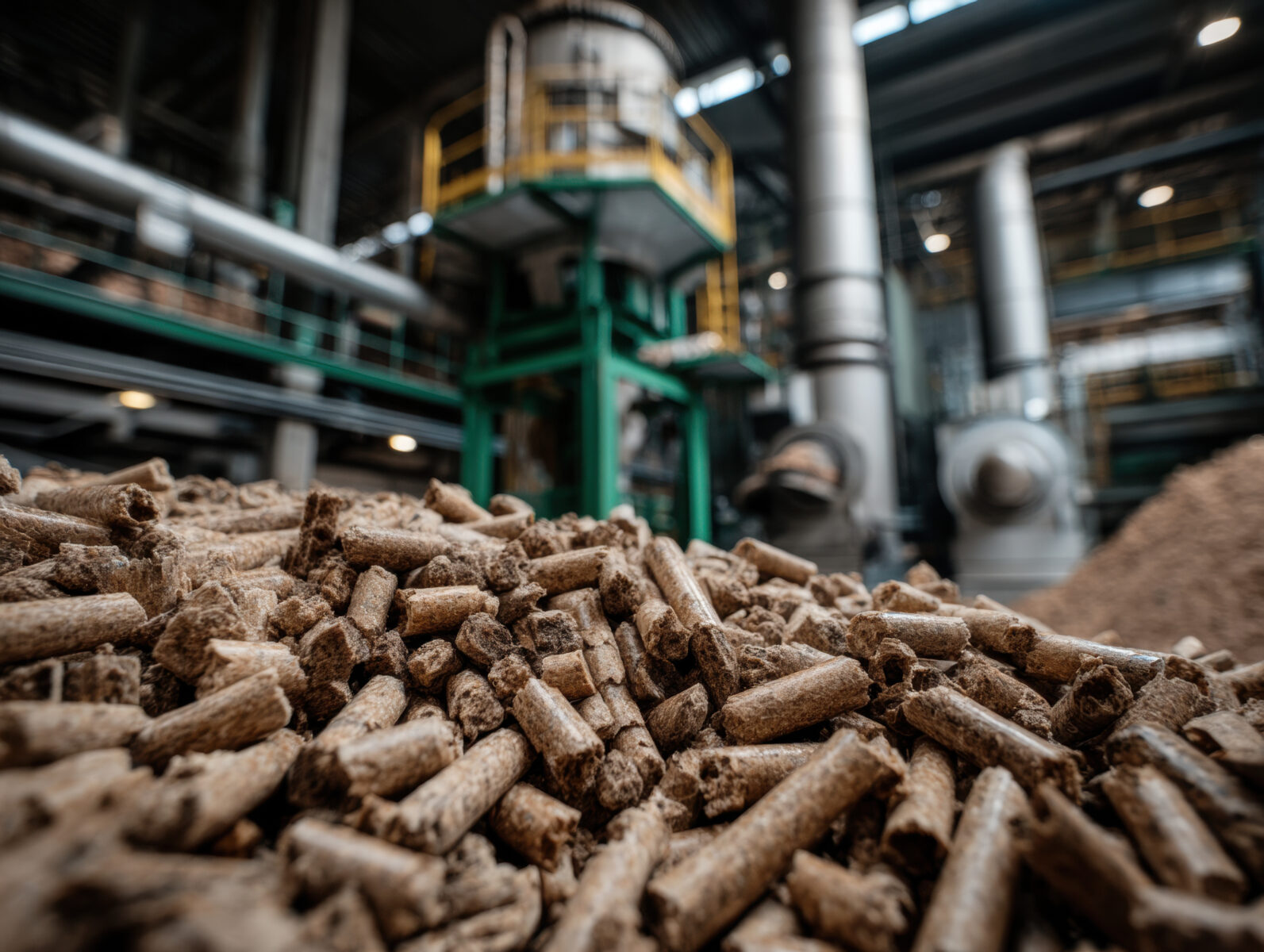
Quality Assurance: The EN plus® Certification Scheme for Wood Pellets
Pellet drzewny, jako ekologiczne i efektywne paliwo, zyskuje coraz większą popularność wśród użytkowników domowych i przemysłowych. Jednakże, aby zapewnić konsumentom pewność co do jakości i pochodzenia pelletu, istnieje potrzeba transparentnego i niezależnego systemu certyfikacji. W tym kontekście, EN plus® wyróżnia się jako wiodący na świecie system, który nie tylko gwarantuje jakość, ale także zwalcza oszustwa […]
The future of solid biofuels in Poland up to 2040
The role of biomass in the energy transition Poland’s energy transition is entering a crucial phase, in which the decisions made over the coming years will determine how the entire energy system operates for decades to come. The period 2026–2028 will be particularly important, as investment priorities, technology choices and the future of existing generating units are decided. In this context, solid biofuels – including […]

Feniks Pellets continues to support Polish ice hockey
At Feniks Pellets, we have focused from the outset on consistent, long-term support for Polish ice hockey – not as a one-off sponsorship activity, but as a carefully planned project to develop the sport as a whole. A turning point: working with PZHL A turning point for us was the start of our partnership with Polski Związek Hokeja na Lodzie on 6 December 2025. It was then that we clearly stated our intention to […]

The effect of ash softening temperature on heating efficiency
W celu oceny właściwości paliw stałych: wilgotności, zawartości popiołu, ciepła spalania, wartości opałowej, a także zawartości substancji chemicznych, opracowano i wdrożono ścisłe procedury techniczne. Umożliwiają one szczegółową analizę pod kątem ich składu fizycznego i chemicznego, co jest podstawą efektywnego i bezpiecznego procesu spalania. O ile kaloryczność, wilgotność i zawartość popiołu są powszechnie znane jako kluczowe […]