20.08.2026
Knowledge

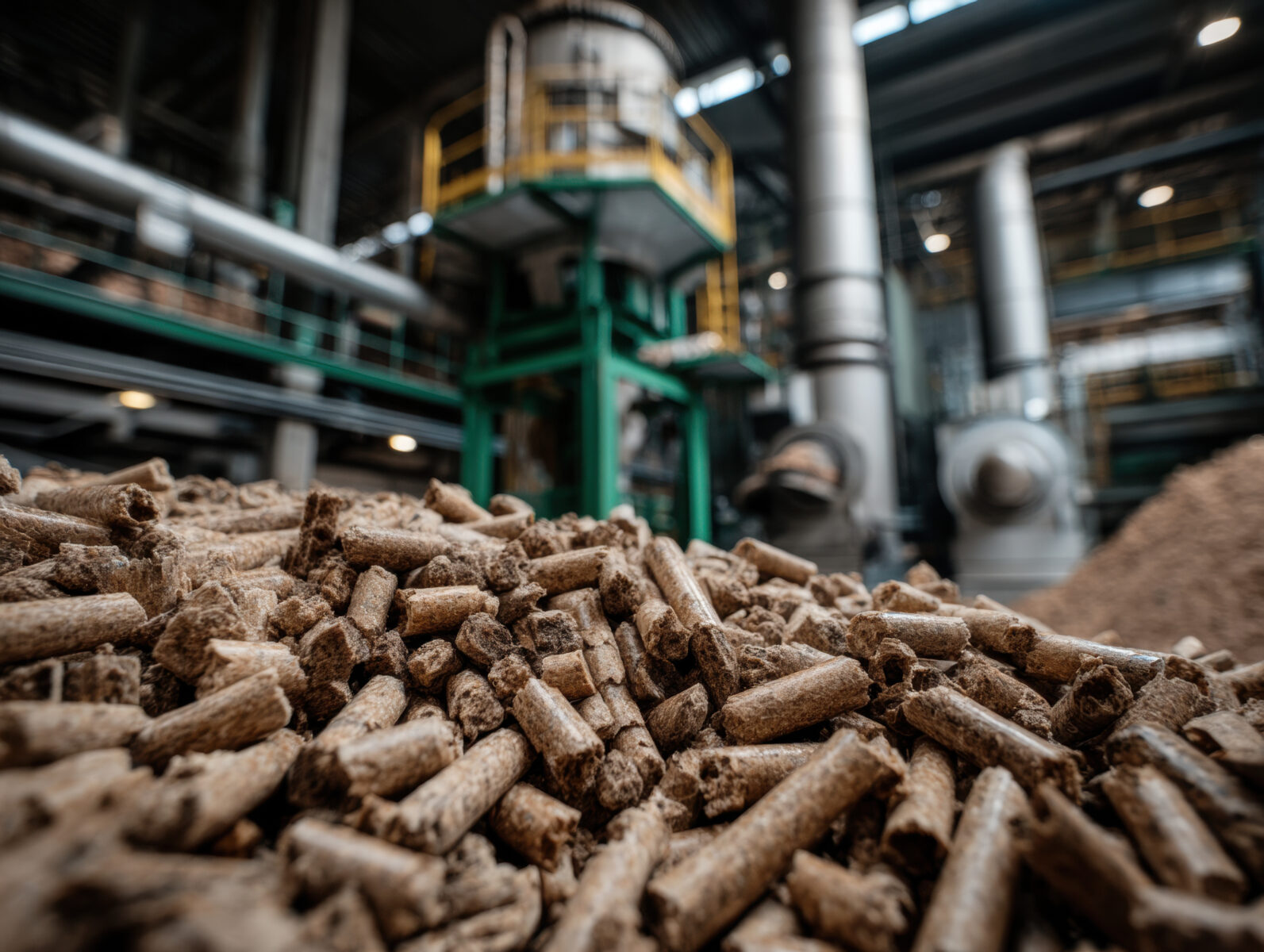
ENplus® remains one of the most important wood pellet quality certification schemes in Europe. However, 2026 has brought several changes to the scheme’s documentation and the regulatory environment for the pellet market.
It is worth distinguishing between two issues: the requirements of the ENplus® scheme itself concerning pellet quality and certification and new European Union regulations concerning, among other things, packaging, the origin of raw materials and environmental claims.
From 1 January 2026 the second editions of the documents apply ENplus® ST 1001 and ENplus® ST 1003. The new versions were published on 1 October 2025, and companies had until the end of 2025 to adapt to the changes.
The changes primarily clarify existing provisions. They concern, among other things, definitions used in the scheme, the rules for using ENplus® trademarks, bag designs and certain rules relating to pellet trading. ENplus® emphasises that the new editions do not fundamentally overhaul the scheme, but aim to make it more transparent and ensure consistent application of its requirements.
This means that the update to ENplus® documentation should not be equated with a change to the basic quality requirements for individual pellet classes.
Pellet quality is assessed using a range of technical parameters. The most important include:
The ENplus® scheme also includes requirements for raw materials, production, storage, transport and pellet trading. Certification therefore goes beyond laboratory testing of the finished product alone.
For classes A1, A2 and B the requirements for individual parameters differ. Class A1 sets stricter requirements for selected properties, including ash content, than classes A2 and B.
When choosing pellets, information about their diameter or calorific value alone is therefore not enough. What matters is whether the product meets the requirements for its declared quality class.
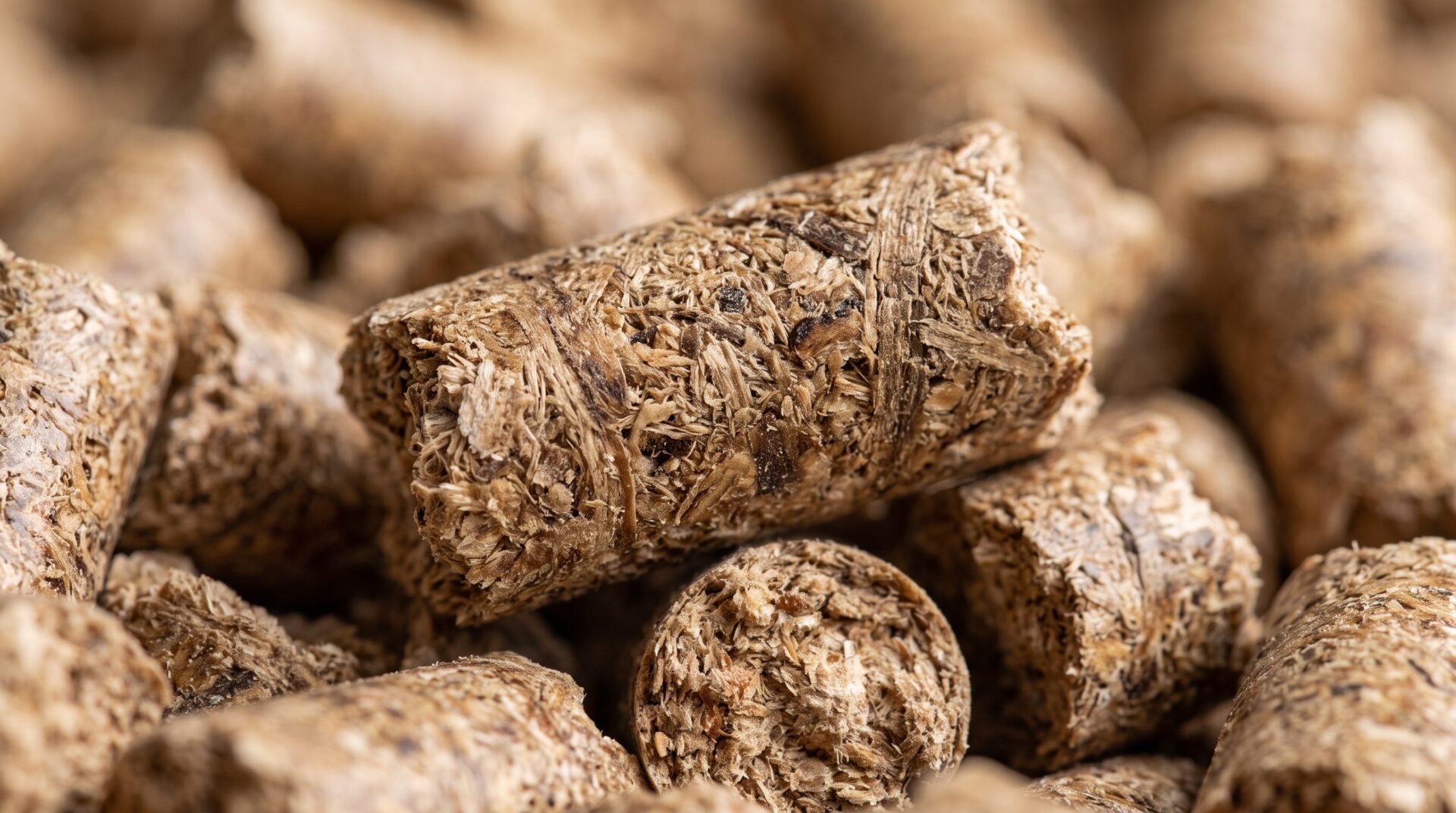
It is also important to distinguish the voluntary ENplus® certification scheme from the requirements of Polish law.
Poland has quality requirements for biomass placed on the market in the form of pellets and briquettes. The Ministry of Climate and Environment states that these requirements cover parameters including moisture content, ash content, calorific value, nitrogen, total sulphur and chlorine.
This means that compliance with legal regulations and holding ENplus® certification are two separate matters.
ENplus® is a voluntary scheme. Certification provides additional confirmation that the product and the company’s operating processes comply with the requirements laid down in the scheme.
One of the most important changes for businesses selling bagged pellets is the start of the application of EU Regulation 2025/40 on packaging and packaging waste, known as the PPWR.
The Regulation applies from 12 August 2026 and introduces new rules on packaging and packaging waste management.
For pellet manufacturers and distributors, this means checking the packaging they use against the requirements of the new legislation.
However, this does not change the ENplus® standard for fuel parameters. PPWR regulates packaging, rather than the quality of the pellets themselves.
Another significant regulation is EUDR, the EU regulation on deforestation-free products.
The regulation covers, among other things, wood and wood products. Its aim is to ensure that the products it covers are not associated with deforestation or forest degradation.
Following the amendments adopted at EU level, the main EUDR obligations will apply:
For the pellet industry, this means a growing emphasis on raw material traceability and the ability to demonstrate its legal origin.
The year 2026 also brings greater attention to how the environmental properties of products are communicated.
For pellets, it is particularly important that claims about a product’s impact on the climate or the environment are precise, verifiable and appropriately documented.
An ENplus® certificate should not automatically be taken as confirmation of a particular level of CO₂ emissions or “climate neutrality”. These are separate matters that require appropriate substantiation.
No. ENplus® is a voluntary certification scheme.
However, this does not mean that the certificate has no market significance. ENplus® operates as a quality certification scheme, and certified companies are subject to specific requirements and compliance checks.
For customers, certification may therefore be an important factor when assessing the credibility of the producer and the stated pellet quality.
At the same time, requirements for the fuel used may also arise from the instructions for a particular heating appliance, warranty terms, support programmes or contractual requirements.
The safest approach is to use the official ENplus® database of certified companies.
In particular, it is worth checking:
ENplus® publishes information on certified companies, and its documentation also sets out the rules for using the mark and information on packaging.
This is particularly important because the ENplus® mark on packaging alone should not be treated as sufficient proof of certification. It is worth checking the producer or the entity responsible for the product in the official database.
2026 has not brought a revolution in the basic quality principles for ENplus® pellets. The changes primarily concern updates to the scheme’s documentation and new legal requirements affecting the market.
The key points are:
ENplus® – the second editions of ST 1001 and ST 1003 have applied since 1 January 2026, clarifying selected rules on the operation of the scheme and the use of ENplus® marks.
Packaging – the EU PPWR Regulation applies from 12 August 2026, introducing new rules on packaging and packaging waste.
Origin of raw materials – EUDR introduces requirements concerning wood-related products and their impact on deforestation, with the main obligations applying to large and medium-sized enterprises from 30 December 2026.
Environmental communication – the ability to document claims about a product’s environmental and climate impact is becoming increasingly important.
In 2026, ENplus® remains an important benchmark for pellet quality, but operates in an increasingly demanding regulatory environment.
For manufacturers and distributors, this means having to pay attention not only to pellet quality parameters, but also to the proper operation of the certification scheme, raw material traceability, packaging compliance with new regulations and the reliability of information provided to customers.
For customers, however, the most important consideration remains verification of the producer, pellet quality class and product compliance with the requirements of the particular heating appliance.
It is therefore worth remembering: ENplus® is more than a label on a bag: it is a set of requirements covering the entire pellet supply chain, from raw material to finished product.