11.03.2026
Uncategorised


The year 2025 saw further development of the wood pellet market in Poland. The growing importance of renewable energy sources, increasing interest in biomass heating and changes in the composition of applications to support programmes translated into steady demand for pellets. At the same time, there are signs that the sector may face challenges in the coming years relating to raw material availability, rising biomass consumption and regulatory changes.
In 2025, Poland produced approximately 2.2 million tonnes of wood pellets, maintaining 3rd place in Europe in terms of production volume. The country remains one of the region’s most important producers of this fuel, and pellets play a significant role in individual heating and biomass-based systems.
The expansion of pellet production is part of the broader growth in the importance of renewable energy sources. In 2025, installed renewable energy capacity in Poland reached 37 777 MW, representing around 50% of total installed capacity, while renewable energy generation totalled 54 743 GWh, or 31,41% of the national energy mix.
Household heating remains an important factor influencing the pellet market. In 2025, the programme „Czyste Powietrze” saw a marked change in the composition of applications submitted.
Boilers fuelled by pellets and wood accounted for 77% of applications, which means an increase of 7 percentage points. At the same time, the share heat pumps fell to 22%. Growing interest in biomass appliances points to continued demand for pellets in the individual heating systems sector.
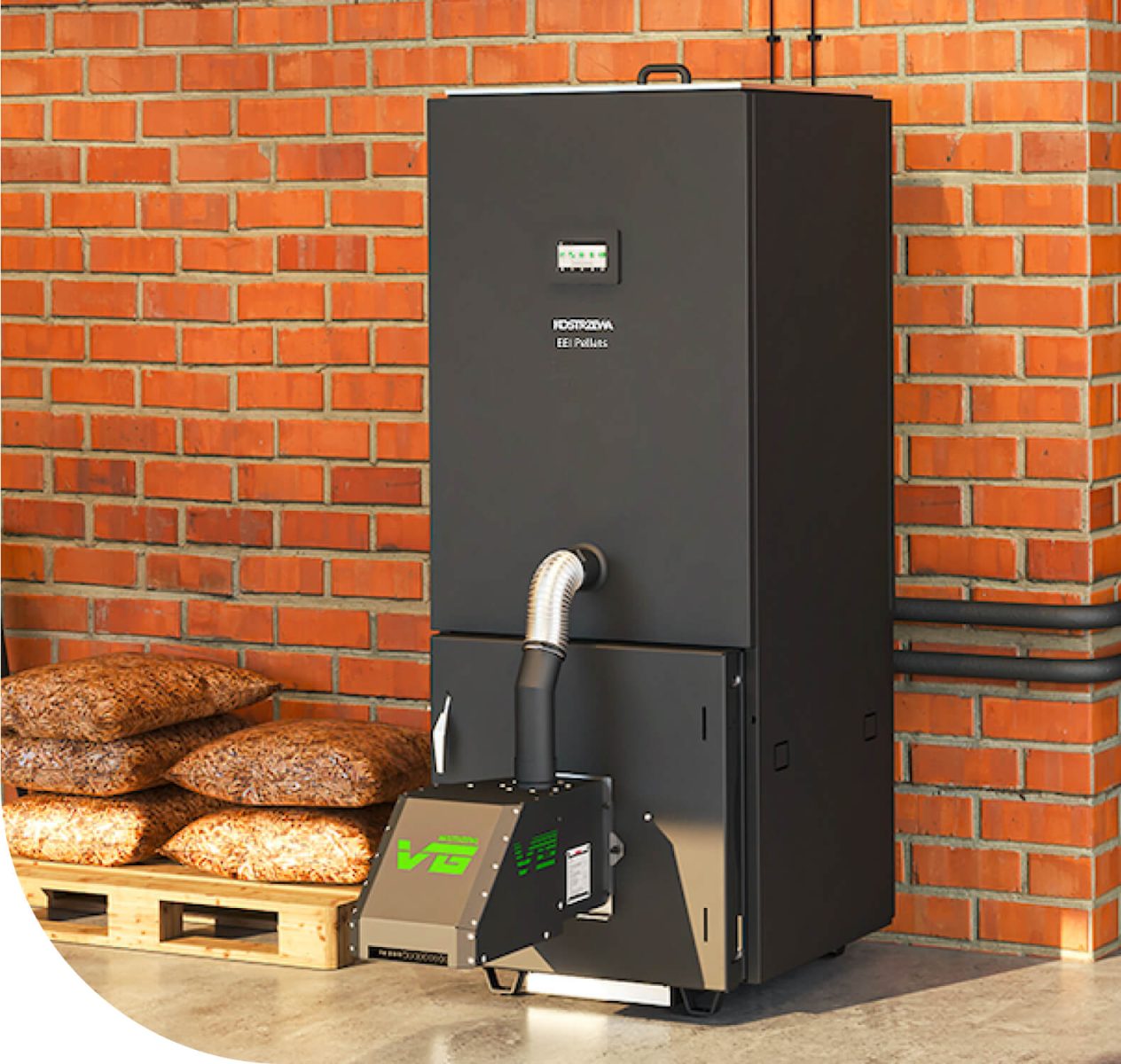
At the end of 2025, pellet prices remained relatively stable, although a slight upward trend was evident. The average price of A1-class pellets in December 2025 was 1617 zł per tonne, which means an increase of 48 zł compared with the previous month.
Price levels are an important factor affecting the competitiveness of pellets against other heating sources and households’ investment decisions.
The first data and analyses available in 2026 indicate rising biomass consumption, which may lead to raw material shortages and rising pellet prices. As demand for biomass fuels grows, the availability of sustainable resources also becomes an issue.
The sector is also affected by new European Union regulations on emissions, which introduce a limit from 2025 below 500 mg/m³. In practice, this means that some biomass heating installations, including pellet boilers, need to be modernised.
The pellet market in Poland remains an important part of the energy transition, particularly in building heating. Stable production, a prominent role in support programmes and growing interest in biomass point to sustained demand.
At the same time, the future of the market will depend on the balance between raw material availability, price levels and regulatory requirements, which could significantly affect the sector’s development in the coming years.