23.09.2024
Knowledge


As environmentally friendly and efficient home heating methods become more popular, pellets are an increasingly sought-after solution. Choosing the right pellets is a key decision that can affect thermal comfort and household savings. In this article, we explain what to look for when buying pellets.

Annual wood pellet production in Poland is around 1,3 million tonnes, placing the country among the leading producers in the European Union. Across the EU, pellet production reached 20,6 million tonnes in 2022, and forecasts for the coming years point to further growth due to rising demand for environmentally friendly energy sources. Poland plays an important role in the EU pellet market, both as one of its main producers and as a country making high-quality, often certified pellets, supporting the Union’s sustainable development goals.
Price is one of the most important criteria guiding consumers in the fuel market. Price, in turn, depends on numerous factors: from the cost of raw materials and electricity to certification and maintaining quality. Polish manufacturers supply pellets in accordance with applicable regulations, bearing the resulting costs while guaranteeing the quality of the finished product. For many uninformed consumers, uncertified pellets of unknown origin have become an apparent alternative. It turns out, however, that using such fuel, which does not have certificates from accredited laboratories (EN plus A1 and FSC), involves serious risks for the buyer:
Unlabelled pellets may be made from waste or materials containing harmful substances such as chemicals, adhesives or plastics. Burning these pellets releases harmful substances into the environment! Although pellets themselves are a clean, environmentally friendly fuel, they must be made through a clean process using clean raw materials. This is why it is so important to choose pellets with a known origin and composition.
Burning contaminated pellets directly causes damage to pellet boilers, as the chemicals released cause severe corrosion of internal components, and boiler manufacturers do not accept this type of damage as a warranty claim! (We have discussed this in two articles on our website.) Deposits formed when contaminated materials burn lead to damage and breakdowns and, in extreme cases, the need for costly repairs or even boiler replacement. Although contaminated pellets may be cheaper, using them causes significant boiler problems in the long term.
Unlabelled pellets of unknown origin deny consumers the opportunity to assess their specifications before buying. Without certainty about their composition, manufacturer and country of origin, we are taking a risk. Most Polish pellet manufacturers meeting the required standards carry the certification mark EN plus A1. This means that an accredited laboratory regularly tests production samples and assesses their technical parameters, which the producer can then publish on the packaging and in the product data sheet.
Polish manufacturers focused on producing high-quality pellets and committed to sustainable, clean production make sure they have FSC certification. Jarosław Rak, President of Poli Trade Polska, the manufacturer of one of Poland’s best pellets, available under the Feniks Pellets brand, explains: “FSC certification means we can be certain that the wood comes from legal, sustainable sources and responsible forest management. FSC-certified pellets are made from clean sawdust generated as a by-product of wood processing. In our case, we use only softwood sawdust, which we purchase under contract from large, certified wood processors with a known source of timber, from cultivation through to processing,” he explains.
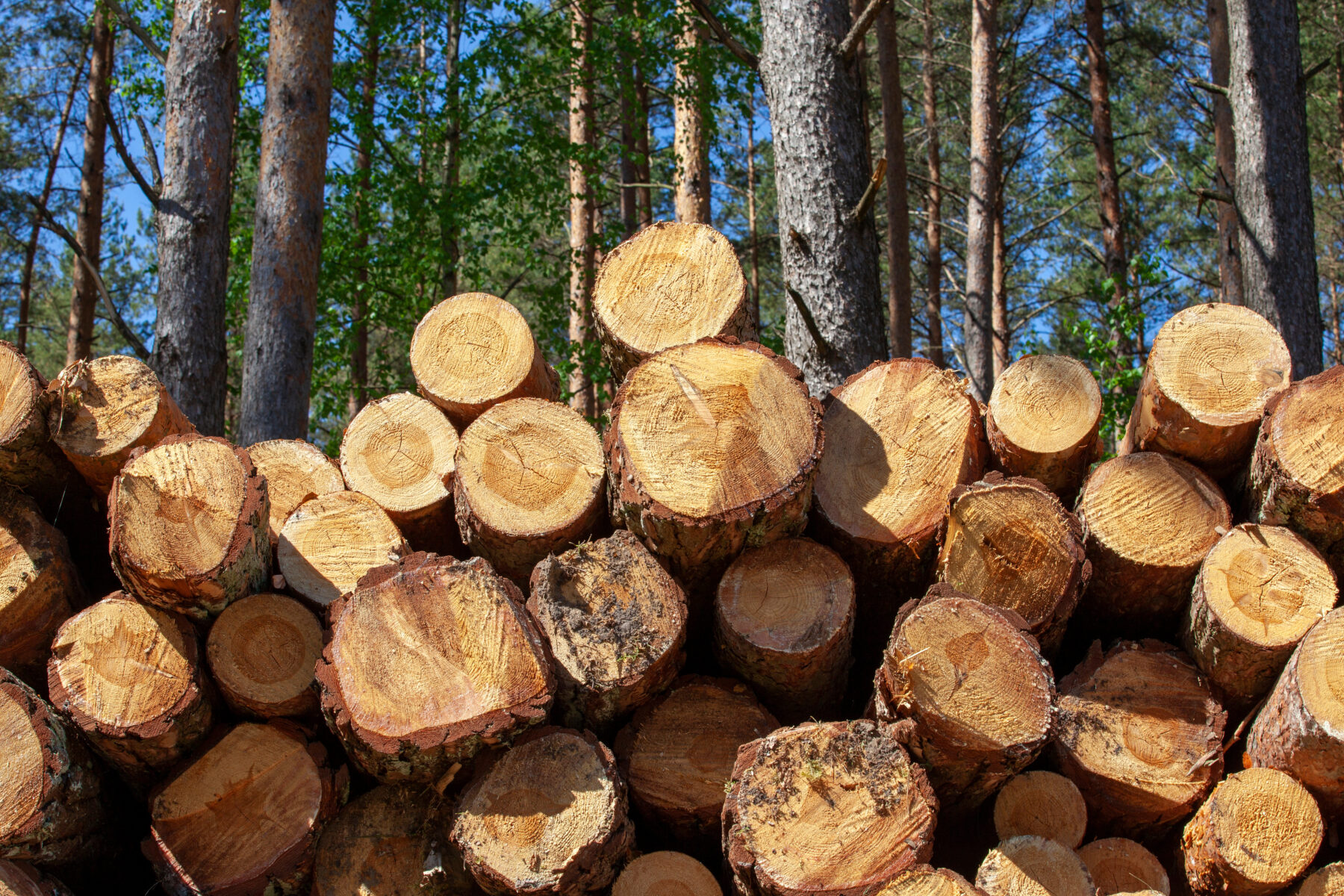
Feniks Pellet is an entirely Polish product – from raw material and production to distribution. Jarosław Rak explains: “Our factory is located in Poland, and we use only domestic raw materials in production. All the material used to make our pellets comes from local sawmills located within a maximum radius of 100 kilometres of our plant. It is worth emphasising that, to produce Feniks Pellet, we never use sawlogs or roundwood in log form, only by-products from sawmill production. This is our contribution to protecting Poland’s forest resources,” he emphasises.
Feniks Pellet is a recognisable Polish brand owned by Poli Trade Polska. Poli Trade Polska is a company that shapes the development of the entire industry. Jarosław Rak explains: “We are a founding member of the Polish Pellet Council. This underlines our commitment to developing the pellet market in Poland. We also support Polish pellet boiler manufacturers as a member of the Chamber of Commerce for Renewable Energy Equipment.”
Pellets are both an efficient and an environmentally friendly fuel. Feniks Pellet, made from sawmill by-products, is an excellent choice for people looking for sustainable heating solutions. By choosing our product, you support Polish industry and help reduce carbon dioxide emissions. The quality of our pellets ensures efficient home heating and protects your boiler.
By choosing Feniks Pellet, you choose quality, Polish origin and environmental responsibility.