03.07.2024
Knowledge


We take a step-by-step look – at how our pellets are produced. In this post – we share our knowledge of the subject.
First, wood is needed. Sawmill by-products such as sawdust, shavings and small pieces of wood are most commonly used. Instead of being thrown away, they are used to produce pellets.
The wood must be dry before it becomes pellets. Damp wood does not burn well. Sawdust and shavings therefore go into a dryer, where they are thoroughly dried.
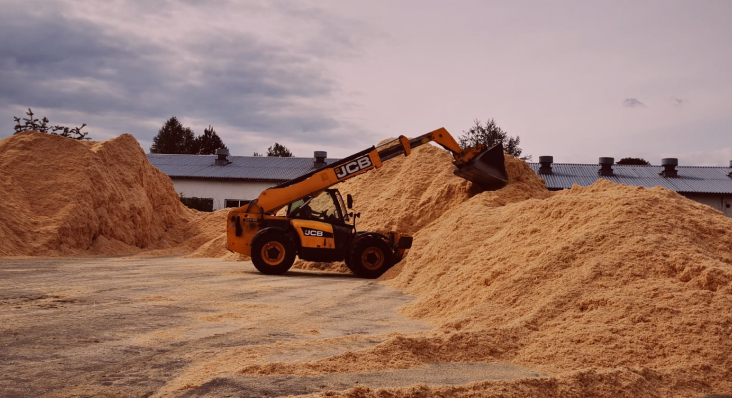
The dried wood needs to be broken down. In special machines called mills, the wood is ground into a fine powder. This makes it easier to compress later.
The ground wood goes into a machine that turns it into pellets. This machine uses high pressure and heat. The wood is compressed into small, hard pellets. No chemicals are added – the wood binds itself through its natural components.
Freshly produced pellets are hot. They need to cool before being bagged. The pellets are cooled to a safe temperature in special coolers.
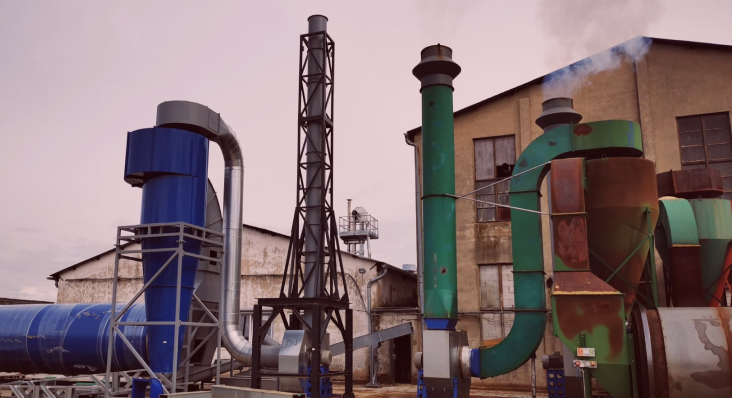
To ensure good quality, the pellets must be screened. Fine dust and damaged pellets are removed. This makes the pellets uniform and ready to use.
Finally, the pellets are bagged. They can be packed in small bags for homes or large industrial bags. The pellets are then ready for sale and transport.
Pellets are environmentally friendly because they are made from wood waste. They burn cleanly and efficiently, which means less air pollution. They are also convenient to use – easy to store and transport.